RESEARCH
My ideas rarely begin with putting pen to paper right away. More often, they start with ordinary things that I almost overlook.
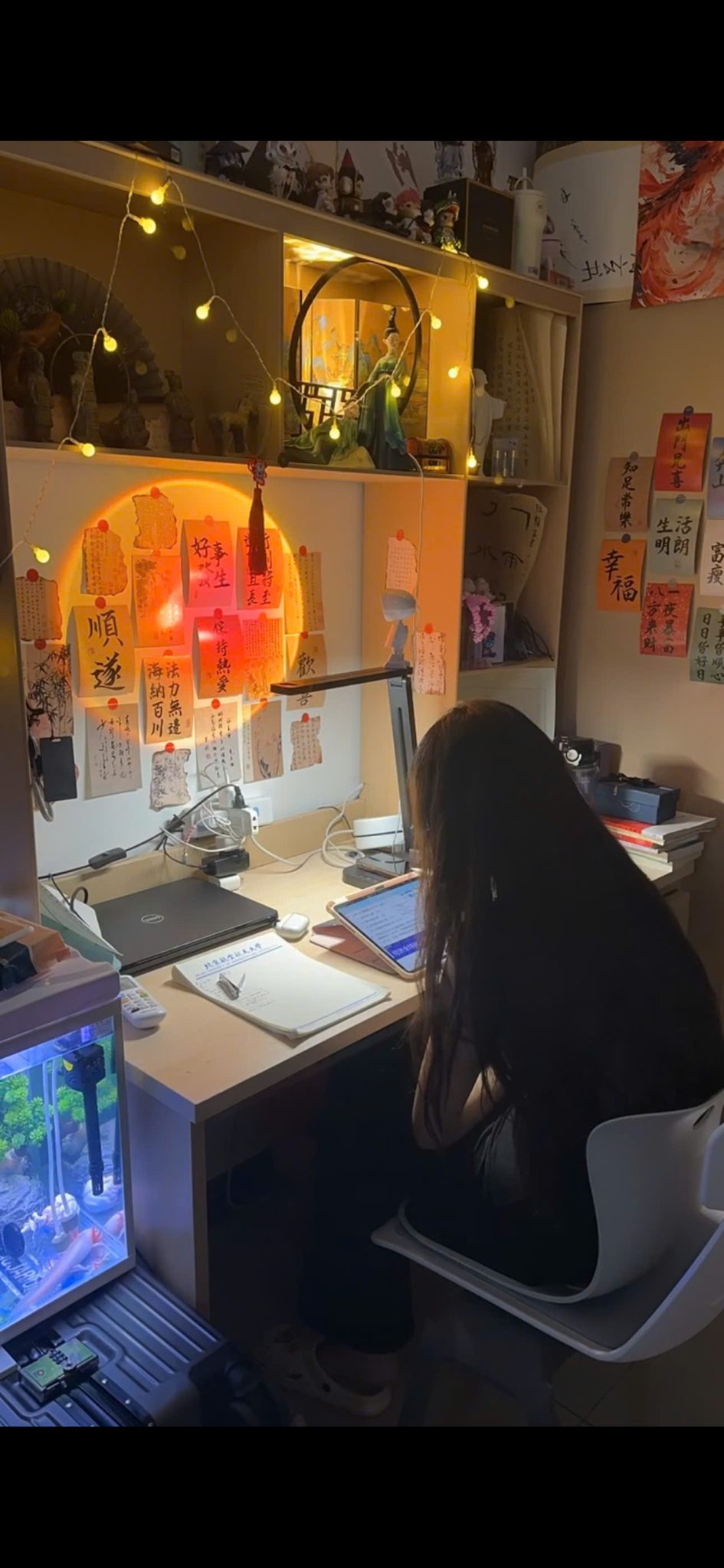
My ideas rarely begin with putting pen to paper right away. More often, they start with ordinary things that I almost overlook.
I have always been curious about how a country can tell its own story. For this research, I spent months analyzing more than 50 national communication campaigns, surveying over 300 Gen Z respondents, and exploring how TikTok, Instagram, and YouTube shape perceptions of Vietnam.
What stayed with me most was not the theoretical models, but the realization that nation branding is not something distant or abstract. It is built through small stories — through the way we talk about our culture, our people, and our values in the digital space.
This research showed me that communication is not simply a tool for promotion. It is also a way for a nation to define itself in the eyes of the world.
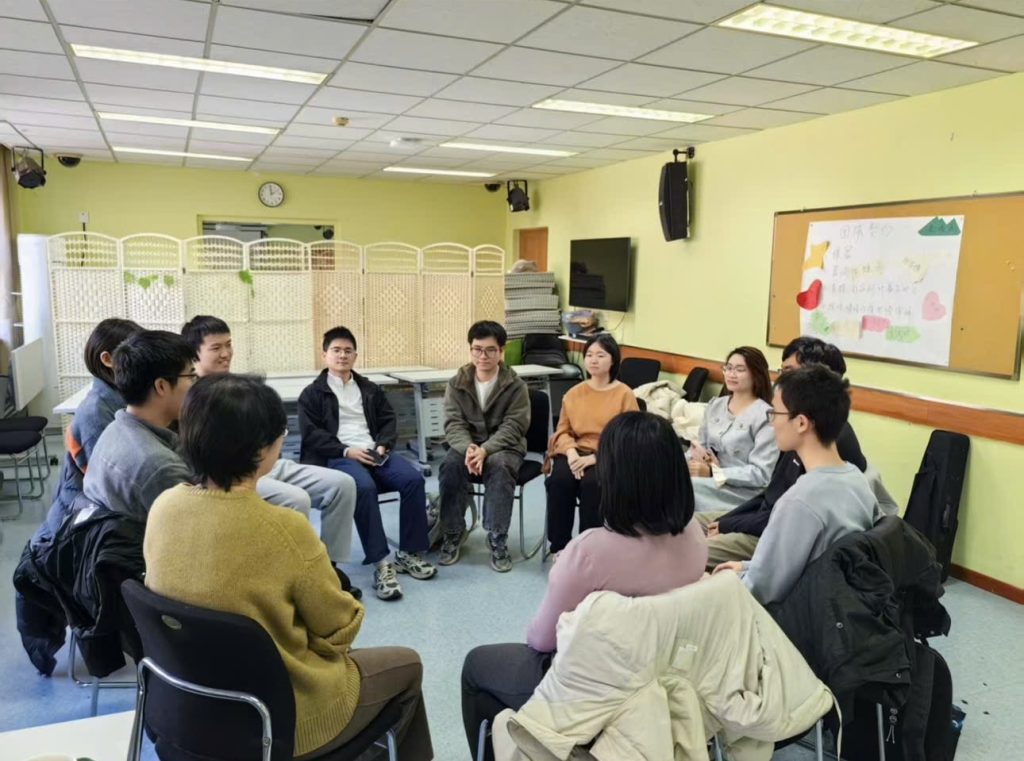

As an International Trade Economics student in Beijing, I often heard the Belt and Road Initiative (BRI) described as one of the most significant economic and political initiatives of the century. But it was not until I read through dozens of trade agreements myself that I truly began to understand what lies behind those numbers and cooperation mechanisms: a complex network of interests, risks, and opportunities shared across nations.
Through this research, I gained a deeper understanding of logistics, supply chains, the role of the Asian Infrastructure Investment Bank (AIIB), and the internationalization of the Chinese yuan. More importantly, I learned how to ask the right questions: Does infrastructure development truly create sustainable prosperity, or could it also create new forms of debt and inequality?
This research taught me that economics is not simply about numbers. It is about people, development, and the choices that nations must make.
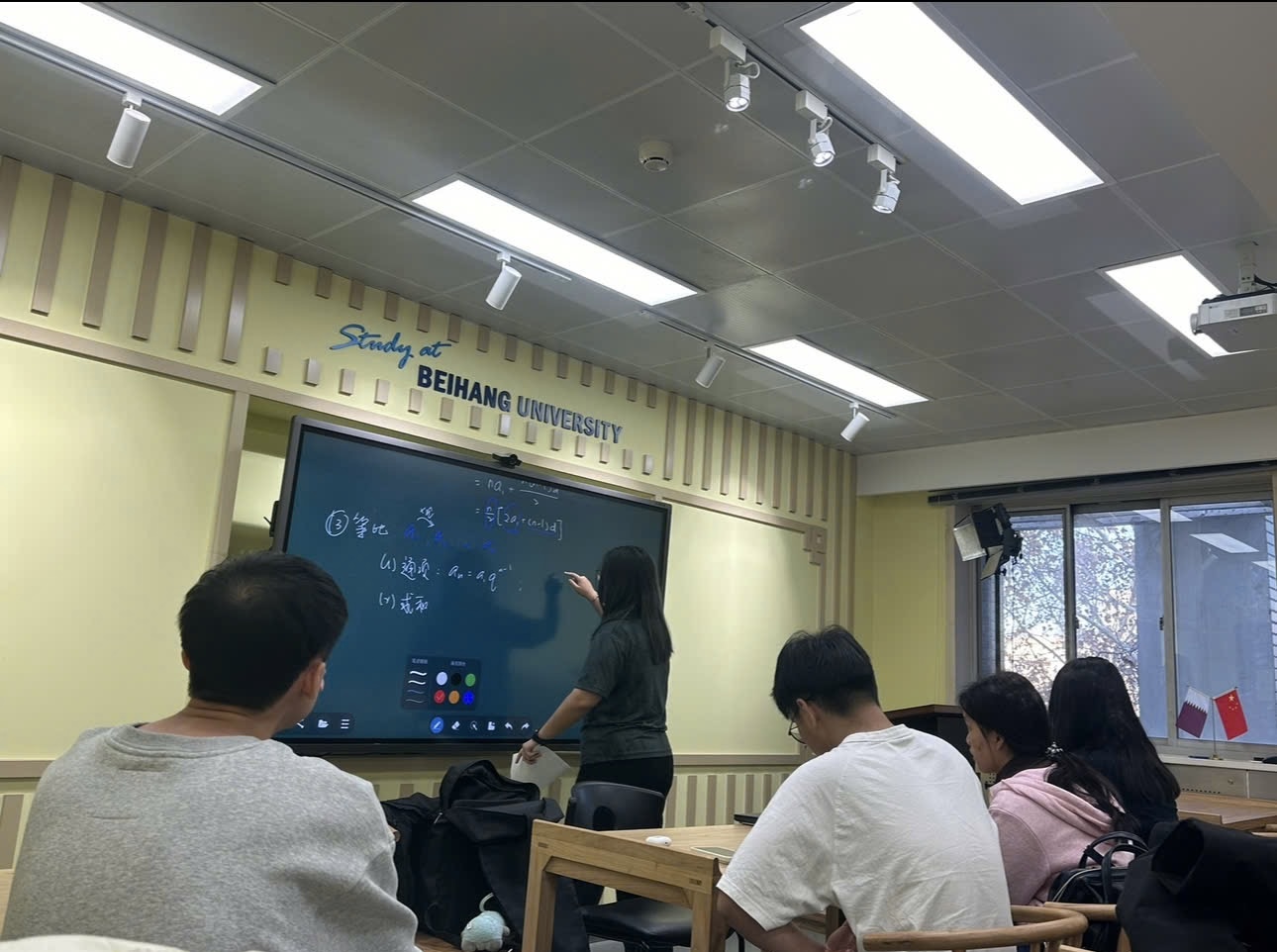
During a conversation with my classmates, I realized that many of them were studying majors they did not genuinely enjoy, while some were considering changing their majors. This left me with a question: What makes a student satisfied with their choice? And what makes them want to change it?
I surveyed more than 100 university students and analyzed data related to personal interests, career prospects, family influence, and self-perceived ability. Through this process, I not only gained a better understanding of the factors influencing students’ decisions to change majors, but also learned to listen to the stories behind each survey response.
This research taught me that education is not simply an academic matter. It is a journey of self-discovery, and sometimes, we need support to find the path that is right for us.